Showing posts with label comfort food. Show all posts

Sunday, September 1, 2024

Oats

Oats

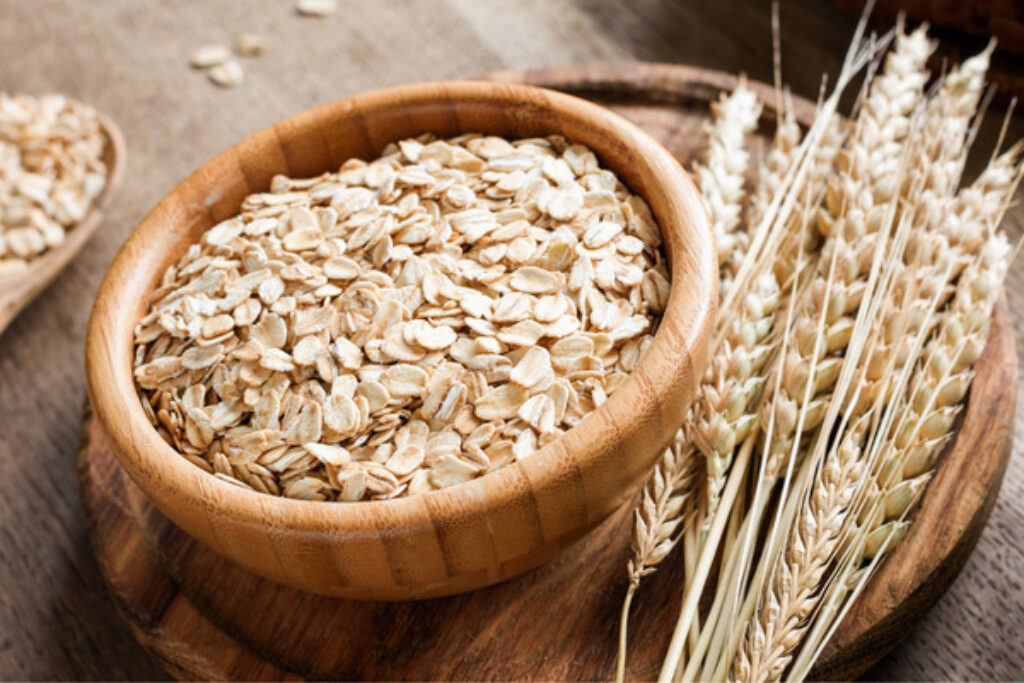
Oats, a versatile and nutritious grain, have a rich history and offer numerous health benefits. Oats make fantastic meals and desserts, and they are gluten free, extending the grasses-and-grains goodness. They are easy to grow in a wide variety of soils, and take us back to humankind's first storage in silos, a practice that is widely credited with making civilization possible.

History

Oats have been cultivated for centuries, with evidence of their use dating back to ancient civilizations. Initially considered a weed, oats eventually gained recognition as a valuable food source. They were particularly important in regions with cooler climates, as oats are more tolerant of cold temperatures than other grains.

Health Benefits

Oats are renowned for their exceptional nutritional profile. They are a good source of complex carbohydrates, providing sustained energy. Oats are also rich in dietary fiber, particularly beta-glucan, which has been linked to various health benefits, including:

  • Nutritious: Oats are a good source of protein, fiber, and vitamins B1 and B5. Low in calories, it would take about 40 minutes to burn off the 150 calories from a half-cup dried oats prepared in water.

  • Gluten-free: Oats are a gluten-free grain, making them a popular alternative for those with celiac disease or gluten sensitivity. If you’re allergic to gluten, be sure to purchase certified gluten-free oats to avoid gluten contamination from other grains.

  • Lowering cholesterol levels: Oats don’t have any cholesterol, and they help remove cholesterol that is there. Beta-glucan forms a gel-like substance in the digestive system, which can bind to cholesterol and reduce its absorption.

  • Regulating blood sugar: The soluble fiber in oats helps slow down the digestion of carbohydrates, leading to a more gradual release of glucose into the bloodstream.

  • Promoting digestive health: The fiber content of oats supports regular bowel movements and can help prevent constipation.

  • Supporting heart health: Oats' cholesterol-lowering and blood sugar-regulating effects contribute to overall cardiovascular well-being.

Frugal

One pound of rolled oats is 5 (US) cups, or ten batches of ½ cup dry

I usually buy my oats whole in bulk (hulled, but not yet rolled) and then roll them just before using. They cost about $1.40/pound. I usually calculate oats at $1.50 a pound for easier math, making each half-cup batch cost fifteen cents. Crazy-cheap for a bowl that will sustain you all day and help repair the damage you did the day before.

Note: Amazon has an 8 pound package of classic Quaker Oats for $8.15, and this seems like an insanely good deal. 


Preparation

Oats are incredibly versatile and can be prepared in various ways. My favorite way is to take freshly rolled old-fashioned oats and stir in a little cinnamon (and brown sugar, if you like). Heat milk (2:1 milk:oats, or you can use water) in a pan with a little vanilla. Just as the milk begins to boil, stir in the oats and spices. Simmer for 10-20 minutes, stirring to prevent sticking, until oats are the desired consistency. 

  • Oatmeal: The most common way to enjoy oats is by making oatmeal. Simply cook oats with water or milk until they reach a desired consistency.

  • Overnight oats: For a convenient and no-cook option, soak oats in liquid overnight. They will absorb the liquid and become soft and creamy. A traveler’s delight: a half-cup cup of oats can be put in a wide-mouth container with one cup of fresh water (a splash of lemon juice is also very nice with this) and be ready to eat 12 hours later. Longer soaking isn’t a problem. ½ dry oats+1 c. liquid=2 cups oatmeal.

  • Baking: Oats can be used in a variety of baked goods, such as cookies, muffins, and bread.

  • Granola: Oats are a key ingredient in granola, a popular breakfast and snack food.

  • Oat flour: Oats can be ground into flour and used as a gluten-free alternative in baking.

No matter how you choose to prepare them, oats are a delicious and nutritious addition to your table.


Nutritional Information

One cup of cooked old fashioned oats:

Calories 150

Calories from Fat 27

Total Fat 3g

Saturated Fat 0.5g

Trans Fat 0g

Polyunsaturated Fat 1g

Monounsaturated Fat 1g

Cholesterol 0mg

Sodium 0mg

Potassium 150mg

Total Carbohydrates 27g

Dietary Fiber 4g

Sugars 1g

Protein 5g
 

Sunday, April 24, 2022

Chicken and Dumplings


There’s nothing quite as satisfying as a dish of Chicken and dumplings. The dumplings can be used with leftover roasted chicken and vegetables to make a second delightful, hearty, satisfying dinner. This is also perfect for stretching a small amount of meat and vegetables without resorting to a more traditional stew or the ubiquitous soup. If you raise your own hens, simmering is the perfect way to serve the meat, leaving it tender and letting all the flavor have a chance to develop. If you want to get the truest flavor from the simmer, let it cool to rom temperature after cooking.

Time saving option that doesn’t sacrifice flavor: Put the vegetables and chicken in a crock pot on low for 6-8 hours (high for 4-6).  Debone the chicken and set everything from the crock pot in the stock pot that you will use to finish the recipe on the stovetop. Place stockpot in the refrigerator if making this step the day before. I like to measure and mix the dry ingredients for the dumplings ahead of time and then all that left is to whip up the dumplings while the chicken comes up to temperature.


INGREDIENTS
Chicken & Stock:
1 whole chicken
4 cups chicken broth
2 cups water
2 teaspoons salt
1 teaspoon pepper
1 teaspoon garlic powder
1 bay leaf (optional)
1/3 cup butter
1 cup finely diced celery
1 cup finely diced carrots
1 medium onion, diced
1/3 cup flour
Dumplings:
1 1/8 cups milk
6 tablespoons butter, melted
3 cups all-purpose flour
2 tablespoons baking powder
1 teaspoon salt
1/4 teaspoon pepper
1/4 teaspoon dried thyme

INSTRUCTIONS
Cook Chicken & Prepare Stock:
  1. Add chicken, broth, water, salt, pepper, garlic powder and bay leaf to a wide stock pot or dutch oven. Cover then bring to a slow simmer over medium heat. Once broth is bubbling, reduce heat to low then cook, covered, for 2-3 hours, or until legs and thighs are pulling apart from the body and the chicken is very tender. See notes.
  2. Remove chicken from broth; set aside. Strain broth into a large bowl or pitcher, discarding bay leaf and loose bones or skin; set broth aside.
  3. Melt butter in the (now empty) pot then cook celery, carrots and onion over medium heat for 10 minutes. Add flour, stir well, then continue cooking for 5 minutes.
  4. Slowly stir reserved broth in with vegetables. Continue stirring until completely smooth. Reduce heat to low and cover.
  5. Remove skin and bones from chicken then shred or cut chicken into bite-sized pieces.
  6. Prepare dumplings.
  7. Heat pot with broth over medium-high heat until it starts to boil. Add chicken. Gently drop dumplings, one at a time, into gently boiling broth. Take care to drop dumplings away from other freshly dropped dumplings as they will stick to each other before they have a chance to cook.
  8. Once all of the dumplings are in the pot, sprinkle with additional pepper then cover pot. Reduce heat to medium-low then allow to cook for 10 minutes or until dumplings are cooked through.
  9. Serve immediately.
  10. Prepare the Dumplings:
  11. Place milk (1/8 cup is 2 tablespoons) in a wide, shallow bowl in the freezer for about 10 minutes to chill. 
  12. Melt the butter then set aside.
  13. Combine flour, baking powder, salt, pepper and thyme in a mixing bowl then whisk to combine; set aside.
  14. Slowly drizzle melted butter into chilled milk, stirring with a fork until combined. The mixture should look like curdled milk or cottage cheese.
  15. Add milk mixture to flour mixture then stir with a spoon or rubber spatula until just combined.
  16. If making Drop Dumplings: scoop portions of dough with two teaspoons or use a cookie scoop (I used a 1” cookie scoop in the ones pictured here) then drop into gently boiling broth.
  17. If making Rolled Dumplings: Turn dough out onto lightly floured surface then sprinkle with more flour. Roll into desired thickness (anticipate they will double in thickness when cooked). Cut into squares or rectangles (however your nana did it) then drop into gently boiling broth.

NOTES:

  • You can absolutely cook the chicken faster than the directions but the secret to tender, flavorful chicken and delicious stock is to slowly bring everything to temperature and to never allow it to reach a full, rolling boil. 
  • Bone-in, skin-on chicken breasts or thighs can be substituted but I don’t recommend boneless, skinless chicken. If you simply must use them anyway, omit the water and broth then use chicken stock instead and add a stick of butter. Or consider adding 6 chicken legs or wings to flavor the stock.
  • Drizzling melted butter into ice-cold milk will separate the butter into little fat globs. This accomplishes the same thing as cutting the butter into the flour as if making biscuit dough. We want the dumplings to be as tender and delicious as homemade biscuits. 
  • The dumplings will continue to soak up the broth the longer they sit. If you plan on making this ahead of when you will be serving it, consider preparing with 8 cups of chicken broth (rather than 4 cups broth and 2 cups water).
  • If you don’t love the idea of the finely chopped vegetables, feel free to just rough-chop a few carrots, stalks of celery and an onion then throw them in the pot when the chicken cooks. If you decide to do it this way, still cook the butter and flour for 5 minutes over medium heat. This just makes a little roux to thicken the stock a bit. You’ll see a lot of recipes that call for a can of Cream of Something soup – this is the homemade equivalent to that.
  • For an especially Southern spin on Chicken & Dumplings, add several sliced boiled eggs after adding the dumplings.

Storing Vegetables without Plastic