Showing posts with label vegetarian. Show all posts

Wednesday, June 7, 2023

Frittata

Summer is a time when the hens and gardens start producing in what seems to be a competition to see who can bury the farmer in the most produce. I love it. 
Nothing sets the table and the tone of summer like an easy dinner frittata, whipped up with the goodness of fresh-from-the-garden vegetables and herbs. Cheese is optional, and if you want to avoid dairy, it's fine to use your favorite nut or vegetable milk here. I particularly like to make this in the oven after I've taken out a loaf of bread, letting the bread cool while the frittata cooks, and making use of the already-hot oven. Or, if I already have bread to serve with the meal, I make it while the bread pan is heating. It's a great recipe and works well with nearly any schedule.

How To Make A Frittata

  1. Start by whisking together the frittata base: a simple mixture of eggs, milk, garlic, salt, and pepper.
  2. Then, sauté your veggies in a 10 or 12-inch (cast iron) skillet just until tender.
  3. When the veggies are ready, stir in any spices or herbs before adding the eggs. Pour in the frittata base, and shake the pan gently to distribute it among the vegetables.
  4. Sprinkle your frittata with cheese (if using) and transfer the pan to a 400-degree oven.
  5. Bake for 15 to 20 minutes, or until the eggs are set and the top is lightly golden around the edges.
  6. Allow the frittata to cool slightly before slicing and devouring!

Frittata Tips

  • Spread your veggies evenly throughout the pan before pouring in the eggs. Once you pour the egg mixture in, you won’t be moving the vegetables around much (or you’d end up with scrambled eggs!), so make sure the veggies are spaced evenly in the pan to get a final frittata with veggies in every bite.
  • Change it up! Play around with  flavor combinations. If you try swapping in different herbs or vegetables, keep in mind that a good veggie:egg ratio is about 1/4 cup of veggies per egg, or 2 heaping cups of vegetables for 6-8 eggs.
  • Use a cast-iron skillet. The best choice for making frittatas, cast iron skillets can safely go from stovetop to oven, and they conduct heat well and evenly. Seasoning a cast-iron pan gives it a non-stick quality, so a well-seasoned skillet will result in the easiest slicing & serving. I like to use an enameled cast iron skillet, which does not require any pre-seasoning. If you don’t have a skillet, go make this breakfast casserole recipe instead.
  • Safety first! Don’t forget that when the cast iron skillet comes out of the oven, the handle will remain hot for a while – I’ve learned this the hard way multiple times. Place a kitchen towel on it to remind yourself not to grab it before it cools off. You can also get one of these silicone handle covers.

Equipment

  • 10-Inch Skillet (I like to use an enameled cast iron skillet, but any heavy skillet will do)

Basic Frittata Recipe:

  • 6 large eggs (use 8 eggs for a 12-inch skillet)
  • ¼ cup milk
  • 2 garlic cloves, minced
  • ¼ teaspoon sea salt, more for sprinkling
  • Freshly ground black pepper
  • Extra-virgin olive oil, for drizzling
  • 2 cups chopped fresh vegetables
  • Chopped fresh herbs (basil is particularly nice with tomatoes, while tarragon is great with mushrooms)
  • ¼ cup or more cheese of your choice 


Monday, January 11, 2016

Soup of the Day: Handfasting Soup

This soup makes use of all the many root vegetables you have on hand and need to use up in the new year. Parsnip, turmeric and garlic help boost the immune system and banish colds. Bonus, any that is left can become the base for golden noodle chicken soup, with all the immune benefits intact.

I didn't know that yellow split pea soup is a Thursday night staple in Sweden; this is a tradition I could adopt, especially now that I know that yellow split peas are a superfood.

Dried split peas, like other legumes, are rich in soluble fiber. They also contain an isoflavone called daidzein, which acts like weak estrogen in the body. The consumption of daidzein has been linked to a reduced risk of certain health conditions, including breast and prostate cancer. Split peas are particularly rich in potassium, a mineral that can help lower blood pressure and control fluid retention, and may help limit the growth of potentially damaging plaques in the blood vessels.

Add parsnips, mother nature's multivitamin, and turmeric, a natural anti-inflammatory substance, and it's no wonder the Swedes eat this all the time.

An excellent companion to basic bread, it's simple, easy fare that will have folks coming back for more.

Ingredients
1 cup dried yellow split peas
3 cups water or broth
Potatoes, parsnips, Daikon radish, databases, turnips, and any other root vegetables that need to get used.
Carrots, diced
Onion, diced
1/4c. Olive oil, plus more as needed
3 - 6 cloves garlic, diced
Celery, diced
1-2 tablespoons dried basil
1 - 2 teaspoons white pepper
1+ tablespoon turmeric powder, as much as you dare to

Directions
In a medium saucepan, bring the three cups of water or broth to a boil. Add the split peas and simmer, covered, for 45 minutes, or until whisking results in a broken down broth.
Meanwhile, in a separate saucepan, cover the root vegetables with just enough water that a few stick out above the water line. Bring the water to a boil, and simmer until the vegetables begin to soften.
In a heavy stock pot, sautee onion, garlic, celery, carrot and spices in oil until onions are transparent. Add more oil if necessary to prevent sticking.

Add softened vegetables to stock pot, including cooking liquid. Add split peas when ready. Stir to mix and let warm through while flavors marry.

Friday, June 6, 2014

Black Rice Tabouli

Draft: waiting for a picture.
Summertime means heat, humidity and being outdoors anyway, hanging out with friends and family. It's a time of sunshine and activity, picnics and parades, cookouts and community. I love this variation on traditional tabouli. It substitutes a lovely black rice for the bulger wheat, making the result much lighter overall,  and gluten-free to boot.
Ingredients
2 - 4 cups black rice.  I like Lotus Foods' Organic Forbidden Rice, cooked in a chicken broth.
Red and yellow tomatoes, diced
1 - 2 lemons
A sprig or three of fresh mint
2 Chopped cucumbers
Recipe
Put all the ingredients in a glass bowl or pan. Squeeze lemon juice onto the mix. Stir gently to combine and cover with a lid or plastic wrap. Chill in the refrigerator for an hour or more.

Wednesday, May 7, 2014

Steamed Beets


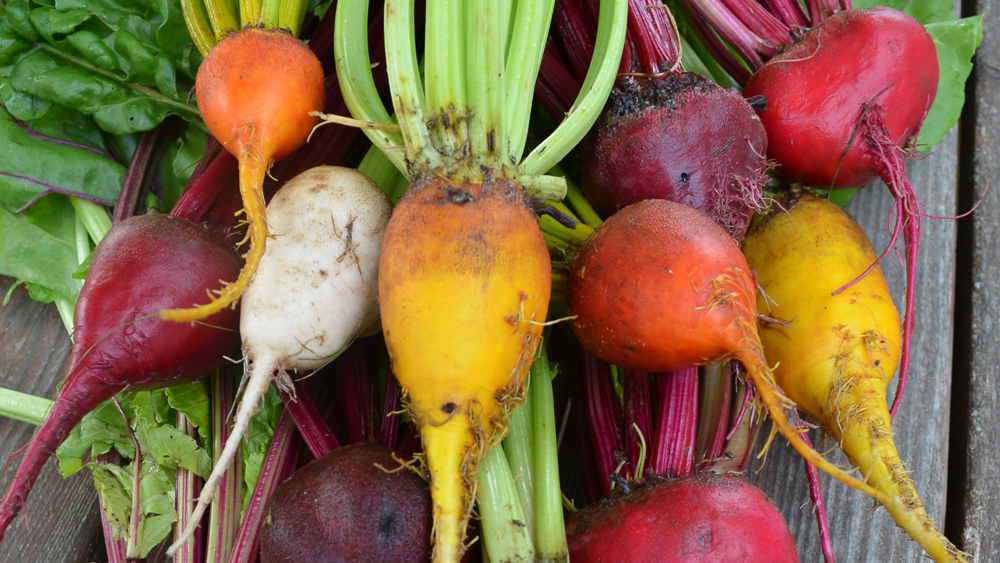
It's spring, and that means a whole host of fresh vegetables are coming into our world that have been lacking for overlong. No matter where you live, you can start harvesting beets in early May, and because they are so packed with nutrition, your body will feel ever so glad that you did. These red and gold beauties have trace elements and nutrition in abundance, but very little in the way of calories, so feel free to eat as many as you like. I especially like their earthy goodness paired with some crisp grilled asparagus -- it's a bowl of springtime.

Ingredients

4-6 fresh beets, scrubbed well and diced
One medium-sized yellow onion, diced
Two - Four cloves minced garlic
Fresh ground white pepper
Two lemons

Recipe

Squeeze lemon juice into a large, heavy pot. I like to use my 6 quart stock pot for this recipe, but you can use nearly anything as long as it transmits heat well and has a tight-fitting lid. Add the rest of the ingredients and stir. Bring juice to a boil and then reduce heat and cover the pot. Simmer until the beets are tender, stirring occasionally and adding water as needed to prevent sticking.

Tuesday, December 3, 2013

Soup of the Day: Minestrone

I usually associate minestrone with summertime, especially July and August, but today as I contemplated what would be the first offering in Soup of the Day, minestrone was on my mind, in my heart, and I couldn't wait to get to it. As the garlic, basil and onion simmered with a few spices, I knew I had made the right choice. Perhaps we just need a quick vitamin C fix, or maybe we need some of the sunshiny goodness that minestrone always brings with it, but in any event, here it is. Slow simmered, aromatic and enticing, filling the house with savory promise.

Wintertime Ingredients
Four boxes (32 ounces each) organic chicken broth
Two cans (28 ounces each) organic diced tomatoes
Two jars (24 ounces each) organic tomato sauce
Two cans (15 ounces each) canelli or other white bean, rinsed and drained< br /> 1/4 c. diced garlic
1 onion, diced
3 Tablespoons leaf oregano, dried
3 Tablespoons fresh basil leaves, torn
2 teaspoons salt
2 teaspoons black pepper
olive oil
diced celery
chopped vegetables of your choice (frozen is fine, but I would avoid canned): I'm a big fan of carrots, potatoes, broccoli and green beans, but I firmly believe that minestrone is Italian for leftovers, so pretty much whatever needs cooking is going to get thrown in, and be all the better for it.
Two cups elbow macaroni or other pasta

Directions
Simmer garlic, onion, celery, oregano, salt, pepper and basil in olive oil until onion is transparent. Stir in broth, sauce and tomatoes and bring to a healthy simmer. Let cook for an hour or so, and then bring to a boil again, adding in the pasta and more black pepper and salt as desired. Cook for ten to fifteen minutes more, stirring frequently. Serve with crusty bread and a glass of cold, fresh milk.

This makes a gallon or so of soup, which is especially helpful for hectic nights as well as big crowds -- it stores well in the freezer, is even better the next day, and freezes like a champ.

Storing Vegetables without Plastic